Cute Baby Animal Lion Character: A Design Deep Dive
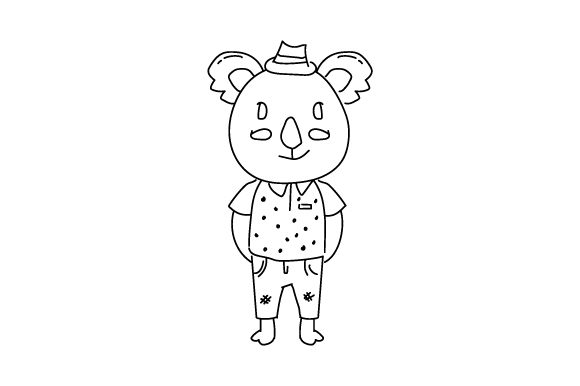
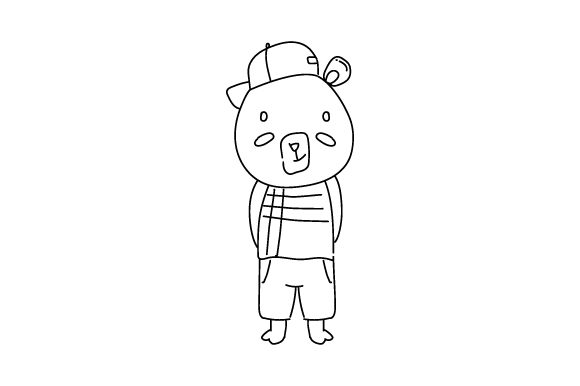
There’s something about a well-drawn baby lion that just makes you stop. That round face, the tiny nose, the big eyes full of curiosity—it’s an instant emotional connection. This particular Cute Baby Animal Lion Character illustration captures that magic perfectly. It’s not just a drawing; it’s a personality on the page, ready to bring warmth and approachability to a huge range of projects.
As a designer or creator, you know the power of the right asset. This isn't a generic stock image. This is a purpose-built character, delivered in professional formats like AI, EPS, JPG, and PNG. Think of it as a creative Swiss Army knife. The line art style gives it incredible versatility—it can be colored, scaled, and adapted without losing its core charm. Whether you’re building a brand, designing a book, or crafting a social media campaign, this little lion is a foundational piece that can grow with your project.
The Anatomy of Appeal: More Than Just Cute
Let's break down why this specific Cute Baby Animal Lion Character works so well. The "cute" factor is intentional and calculated. The proportions are exaggerated in all the right ways: a larger head relative to the body, simplified features, and soft, rounded lines. This taps into what designers call the "baby schema" response—a hardwired attraction to infant-like features that evokes care and affection. For your audience, this translates to immediate likeability and trust.
The line art style is a strategic choice. It’s clean, modern, and uncluttered. This simplicity makes it a powerful display font for visual storytelling, even though it's an illustration. It won’t compete with busy backgrounds or complex typography. Instead, it acts as a clear, engaging focal point. The personality shines through in the details: a slight tilt of the head, a playful stance, eyes that seem to hold a story. This is the kind of creative font (in a broader asset sense) that gives a project soul.
Where This Lion Roars: Practical Applications
This asset’s strength is its adaptability. It’s a premium font for your visual toolkit, meaning its quality elevates whatever it touches. Here’s how different professionals can put it to work:
- For Brand Builders & Entrepreneurs: This character is perfect for crafting a memorable brand identity, especially for family-oriented businesses, eco-friendly brands, educational startups, or any service wanting to project approachability and integrity. Use it as a mascot on your website, packaging, or business cards. It creates instant recognition and emotional resonance that a generic logo might not.
- For Publishers & Content Creators: If you’re working on a children’s book, a parenting blog, or educational materials, this Cute Baby Animal Lion Character is gold. It’s ideal for editorial design, chapter headers, or interactive elements in digital content. Its clarity ensures it reproduces beautifully in both print and digital formats.
- For Marketers & Social Media Managers: In the crowded space of social media graphics, a unique, ownable character cuts through the noise. This lion can become the face of a campaign, a recurring theme in your Instagram stories, or a friendly guide in your tutorial videos. It boosts engagement because people connect with characters, not just products.
- For Crafters & Hobbyists: The included PNG file with a transparent background is a game-changer for DIY projects. Use it for custom stickers, t-shirt designs, party invitations, scrapbooking, or even embroidery patterns. The possibilities for personal design assets are nearly endless.
Making It Work: Strategic Design Guidance
Simply having a great asset isn’t enough; using it effectively is key. Here’s some practical advice for integrating this illustration into your workflow.
Evaluate the Fit
Before you dive in, ask: Does this character’s personality align with my project’s tone? It’s inherently friendly, trustworthy, and playful. If you’re designing for a serious financial institution or a luxury watch brand, it might not be the right fit. But for anything aiming for warmth, family, nature, or creativity, it’s a strong candidate. This is about more than just liking the image; it’s about strategic alignment.
Test Font Pairings and Hierarchy
Since this is a line art illustration, it pairs beautifully with a wide range of typography. For a clean, modern look, try it with a simple sans serif font like Montserrat or Open Sans. If you want a more whimsical, storybook feel, a friendly script font or handwritten font could work for headlines, but use it sparingly. Always ensure your body text remains highly readable. The lion should complement your message, not overshadow it. Use it to establish a visual hierarchy—perhaps as a section divider or a standout icon next to a key piece of text.
Leverage the File Formats
You’re getting more than one file, and each has a purpose:
- AI & EPS: These are your master, scalable vector files. Use them in Adobe Illustrator to customize colors, adjust line weights, or incorporate the character into a larger logo or illustration. This is where you maintain ultimate control.
- PNG: This is your workhorse for digital use. The transparent background allows for seamless placement over any color, photo, or pattern in your web design or graphic software like Canva or Photoshop.
- JPG: Best for quick use where a background isn’t an issue, like a blog post header or a simple social media image.
Consider Commercial Licensing
This is non-negotiable for professional use. The listing should specify the licensing terms. Understand if it’s for personal use only or if it includes a commercial license for projects you sell or use for client work. Respecting licensing is a cornerstone of professional modern typography and design ethics. It protects you and supports the creators who make these valuable resources.
Ultimately, the Cute Baby Animal Lion Character is more than a charming drawing. It’s a versatile design asset that, when used thoughtfully, can inject personality, build connection, and add a layer of professional polish to your creative projects. It’s a small investment that can yield significant returns in audience engagement and brand perception.