Coloring Panda Animal Cartoon for Kids: A Creative Asset for Playful Branding
In the world of visual communication, finding a design asset that balances whimsy with professionalism is rare. When you're working on a project aimed at children, families, or any audience that appreciates a touch of charm, the Coloring Panda Animal Cartoon for Kids collection offers a versatile and engaging solution. This isn't just another clipart set; it's a curated toolkit designed to inject personality, warmth, and a distinct visual language into your work. For designers, marketers, and creators, understanding how to leverage such assets can be the difference between a forgettable layout and one that truly connects.
Understanding the Visual Personality
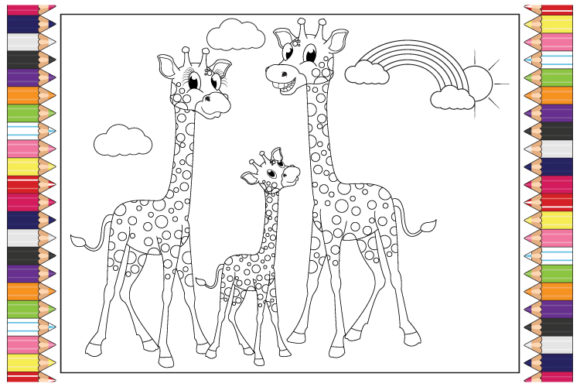
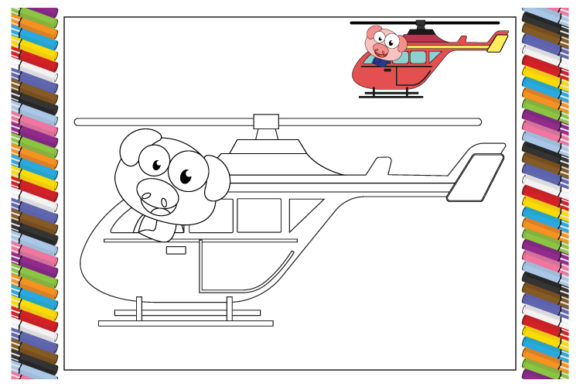
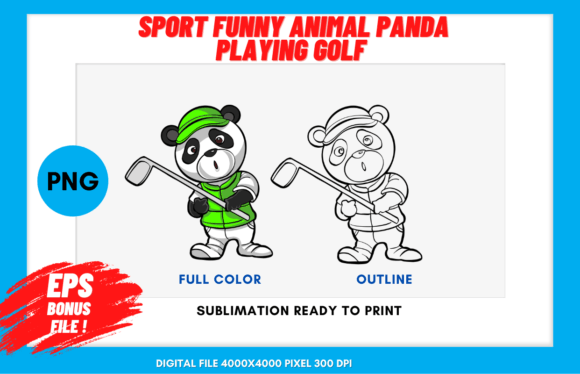
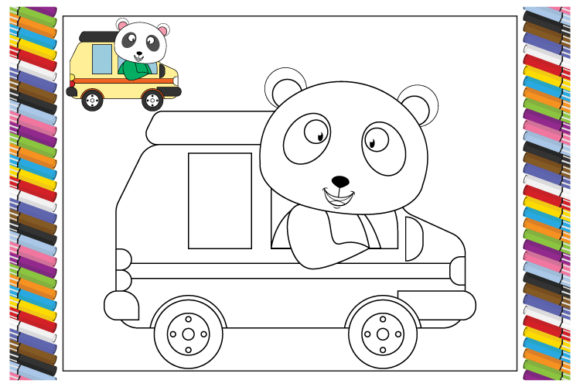
At its core, the Coloring Panda Animal Cartoon for Kids is characterized by its approachable and friendly aesthetic. The illustrations typically feature soft, rounded forms, expressive faces, and a sense of gentle movement that feels inviting rather than static. The style often mimics the look of a hand-drawn coloring page, with clear, bold outlines that are perfect for defining shapes and allowing for easy color separation. This particular visual language communicates innocence, creativity, and fun. It’s a style that feels handmade and authentic, which can significantly lower the psychological barrier for an audience, making content more digestible and memorable. The cartoon panda character, in particular, carries universal appeal, acting as a friendly guide or mascot within a design.
Where This Style Truly Shines
The applications for this style are broader than one might initially assume. While it’s a natural fit for children’s book illustrations, activity sheets, and educational materials, its utility extends far into commercial and digital spaces. Think about packaging design for a family-oriented snack brand, where a playful panda character can become a recognizable brand ambassador. Consider its use in social media graphics for a parenting blog or a daycare center, where the imagery needs to stop a scrolling thumb and evoke an immediate, positive emotional response.
For entrepreneurs and small business owners, this style can be a cornerstone of a brand identity that wants to feel accessible and joyful. It works exceptionally well for:
- Logo Design and branding for toy stores, children's clothing lines, or pediatric services.
- Web Design elements, such as icons, background patterns, or featured section illustrations for sites targeting families.
- Editorial Design in magazines or newsletters aimed at parents, where spot illustrations can break up text and add visual interest.
- Digital Products like printable party invitations, classroom resources, or craft templates sold on platforms like Etsy.
- Marketing Materials such as flyers, posters, and email headers for community events, kids' camps, or library programs.
The key is to match the asset's personality with the project's goals. A serious financial institution might not be the right fit, but a credit union launching a youth savings program could use it to great effect to demystify banking for kids and reassure parents.
Integrating Assets with Modern Typography
A common challenge when using strong illustrative assets is ensuring they work in harmony with your text. This is where thoughtful font pairing becomes critical. The playful nature of the panda cartoons pairs best with typefaces that are clean, legible, and don't compete for attention. You’re not looking for another display font with a lot of character; you need a reliable workhorse.
For body copy and longer text blocks, a simple, friendly sans serif font is almost always a safe and effective choice. Fonts with rounded terminals or a slightly wider stance can complement the softness of the illustrations without mimicking them. If you need to convey a bit more warmth or tradition, a serif font with low contrast and open counters can also work, especially for headings or pull quotes in an editorial layout. The goal is to create a clear visual hierarchy where the illustration grabs attention, and the typography delivers the information with clarity and ease.
Avoid pairing these cartoons with overly formal, script, or handwritten font styles, as this can create a cluttered and confusing visual message. The illustration already carries a "handmade" quality; your typography should provide balance and structure. This principle applies whether you're designing for print or digital. A well-considered pairing enhances readability and ensures your message is understood, which is the ultimate goal of any communication piece.
Practical Guidance for Selection and Use
When evaluating a resource like the Coloring Panda Animal Cartoon for Kids ZIP file, which typically includes versatile formats like EPS, JPG, and sometimes PNG, your approach should be methodical.
First, assess the project fit. Does the cartoon style align with your brand's voice or your client's audience? Look at the emotional tone of the illustrations. Do they feel cheerful, calm, adventurous, or educational? This emotional resonance is crucial for audience engagement.
Second, test for versatility. Open the EPS file in a vector program like Adobe Illustrator. Can you easily change the colors to match a specific brand palette? Can you scale the artwork without losing quality? Vector assets are invaluable for maintaining professionalism across all applications, from a tiny favicon to a large trade show banner.
Third, review the licensing. This is non-negotiable, especially for commercial work. Understand what the license permits. Can you use it in a product for sale? Can you modify it? Are there restrictions on print run numbers or digital distribution? Clear licensing protects you and your clients and is a hallmark of premium font and asset marketplaces.
Finally, consider the broader ecosystem. Does the asset come with complementary elements, like borders, frames, or secondary characters? A cohesive set of design assets saves time and ensures consistency across a multi-page document or a full campaign. Using the panda character on a poster is good; using it alongside a matching set of icons and decorative elements creates a truly unified and professional look.
In practice, I once worked on branding for a children's literacy nonprofit. We used a similar cartoon animal style not just in their main logo, but as a system of characters that guided kids through their reading programs. This consistent use of friendly illustration across their website, printed guides, and social media graphics built incredible recognition and made the organization feel more approachable to both children and their parents. The illustrations did the heavy lifting of building trust and excitement, allowing the typography to handle the practical information.
The Coloring Panda Animal Cartoon for Kids is more than just a cute drawing; it's a strategic tool. When chosen thoughtfully and integrated with solid design principles, it can elevate a project from merely informative to genuinely engaging, helping you connect with your audience on a more human and emotional level.